Stepping into the world of professional card games requires a deep understanding of the unique terminology used at the tables. Professional mentors emphasize that mastering this distinct dialect is the fastest way to bridge the gap between casual play and high-level strategy. Learning these foundational expressions allows students to analyze complex situations efficiently and communicate tactical thoughts without confusion.
Decoding Seating Architecture and Dynamics
Every reputable instructor begins by detailing how a player's physical seat relative to the dealer button dictates their entire strategy. Position defines the flow of information during a hand, heavily influencing whether a participant should choose to play or fold. Acting later in a sequence provides a significant advantage because it allows you to observe opponent behaviors before making a choice.
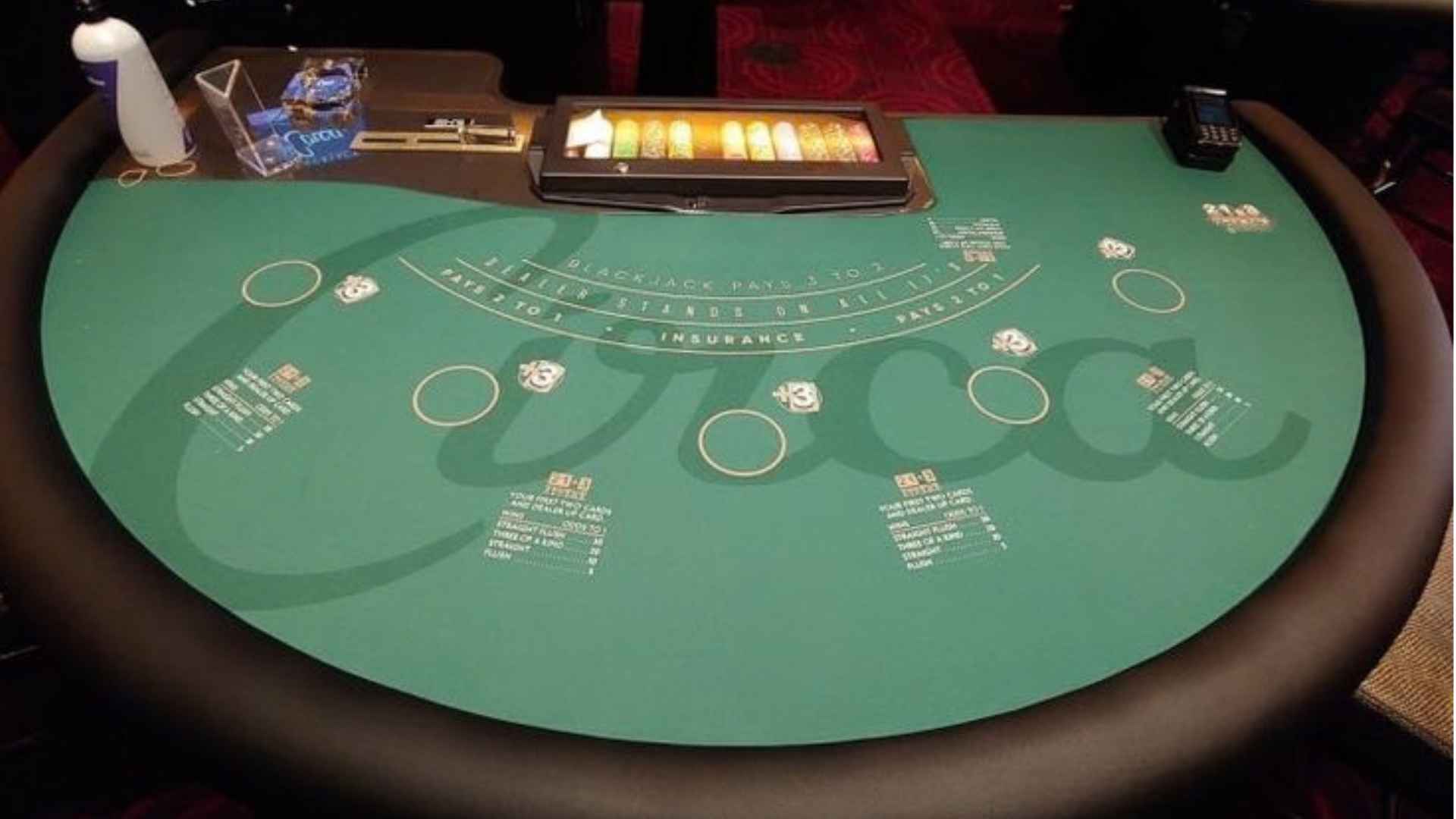
Coaches use specific terms like under the gun or the cutoff to describe different strategic zones around the green felt layout. Understanding these spatial boundaries prevents costly errors and helps newcomers establish a commanding presence during intense live sessions. Many students study these foundational movements through various sports media platforms, where analyzing professional match coverage on sites like Mansion Sports helps solidify their understanding of table architecture.
Quantifying Risk Management Metrics
Successful gameplay relies heavily on translating uncertain situations into clear mathematical probabilities rather than relying on raw luck. Mentors teach students to calculate pot odds and equity to determine whether matching a current wager is mathematically profitable over the long term. Expressing table scenarios through precise metrics transforms vague guessing into structured strategic calculations during critical moments.
Instructors also emphasize the distinction between currently completed holdings and drawing potential, which dictates how aggressively a player should wager. Recognizing these underlying value shifts helps competitive individuals protect their chips and capitalize on opponent mistakes. By internalizing this analytical vocabulary, players can systematically transform their decision-making processes and build disciplined routines.
The Hidden Value of Behavioral Phrasing
Beyond the basic mechanics, the psychological element of the game introduces terms that describe tactical table behavior and physical tells. A bluff occurs when a participant makes a large wager with a weak hand, hoping to convince opponents to surrender superior cards. Coaches train their students to recognize these patterns to decipher true intent behind shifting stakes and timing dynamics.
Conversely, understanding terms like value betting ensures that players maximize their returns when they hold the winning combination. Learning how to articulate these subtle interactions allows serious enthusiasts to transition from passive participants into highly analytical competitors. Developing this behavioral vocabulary eliminates hesitation and sharpens overall table awareness during high-pressure rounds.