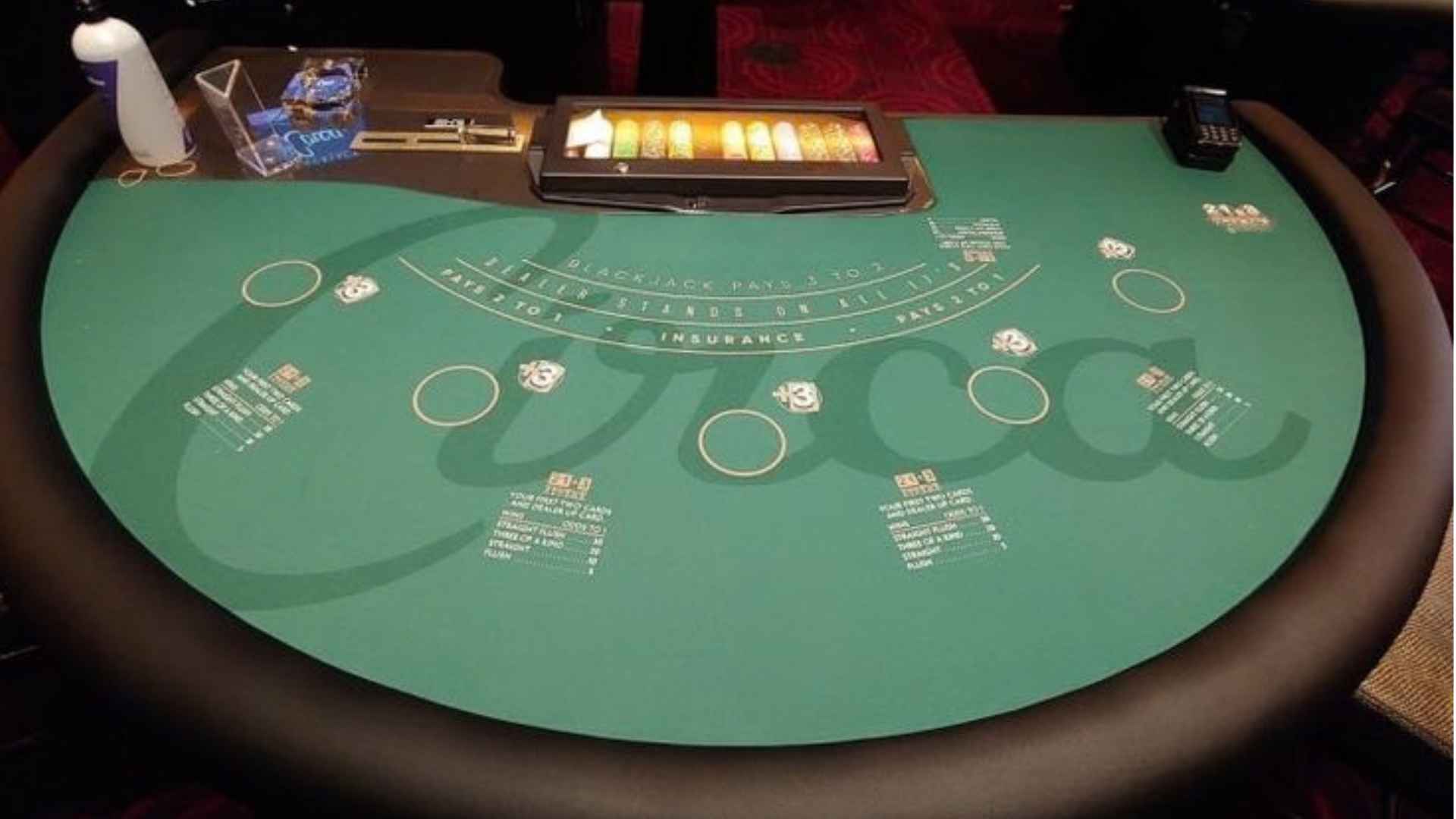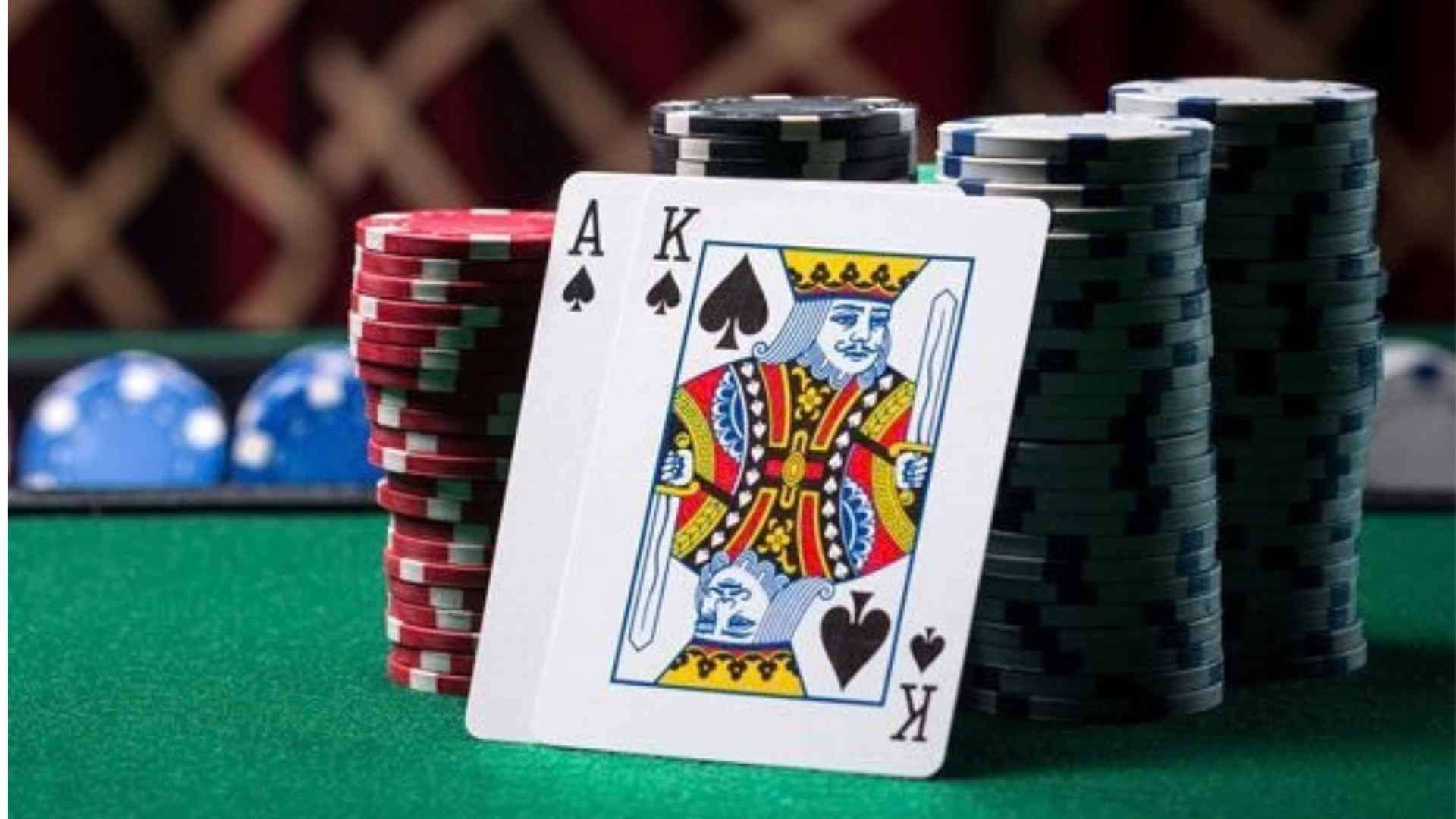
Tabletop gaming provides more than just basic entertainment; it serves as a dynamic environment where individuals can practice evaluated decision-making. Unlike purely luck-based entertainment, table games challenge participants to weigh risk versus reward in a controlled setting. Engaging in these games helps develop cognitive strategies that are highly useful in real-world scenarios requiring calculated choices.
The Psychology of Calculated Decisions
Many classic table games require players to constantly evaluate probabilities and read their opponents' behaviors. This regular analytical workout encourages individuals to step away from reckless choices and embrace disciplined strategies instead. Over time, players learn to balance emotional control with statistical awareness to maximize their long-term chances of success.
Developing this balanced approach helps individuals understand that short-term setbacks are often part of a larger winning strategy. By focusing on mathematical options rather than mere luck, players build a strong framework for navigating ambiguous situations. This unique mixture of skill and planning transforms casual entertainment into a highly practical mental exercise.
Strategic Depth in Modern Tabletop Options
Certain modern games place heavy emphasis on resource allocation and tactical sacrifices to secure victory. In these scenarios, playing defensively is rarely enough, forcing participants to make calculated gambles to stay competitive. This dynamic setup teaches players how to recognize high-value opportunities and strike when the timing is mathematically optimal.
Furthermore, navigating complex board spaces requires individuals to constantly adapt their long-term plans based on real-time developments. For those who enjoy following professional strategic insights and athletic updates, checking platforms like Mansion Sports can provide great examples of competitive discipline. Practicing these adaptation skills helps build cognitive flexibility, allowing individuals to remain calm under pressure.
Building Resilience Through Managed Outcomes
One of the finest benefits of strategic table play is the safe environment it offers for experiencing failure. Because the stakes are strictly recreational, players can freely experiment with bolder tactics without facing severe real-world consequences. This safe experimentation helps demystify the fear of taking risks and builds long-term mental resilience.
Ultimately, learning when to push forward and when to fold is the cornerstone of mastering any tactical table environment. Players who routinely test their skills around a physical layout find themselves more comfortable making critical decisions in daily life. Embracing these analog challenges ensures a memorable, character-building experience that sharpens analytical thinking for years to come.