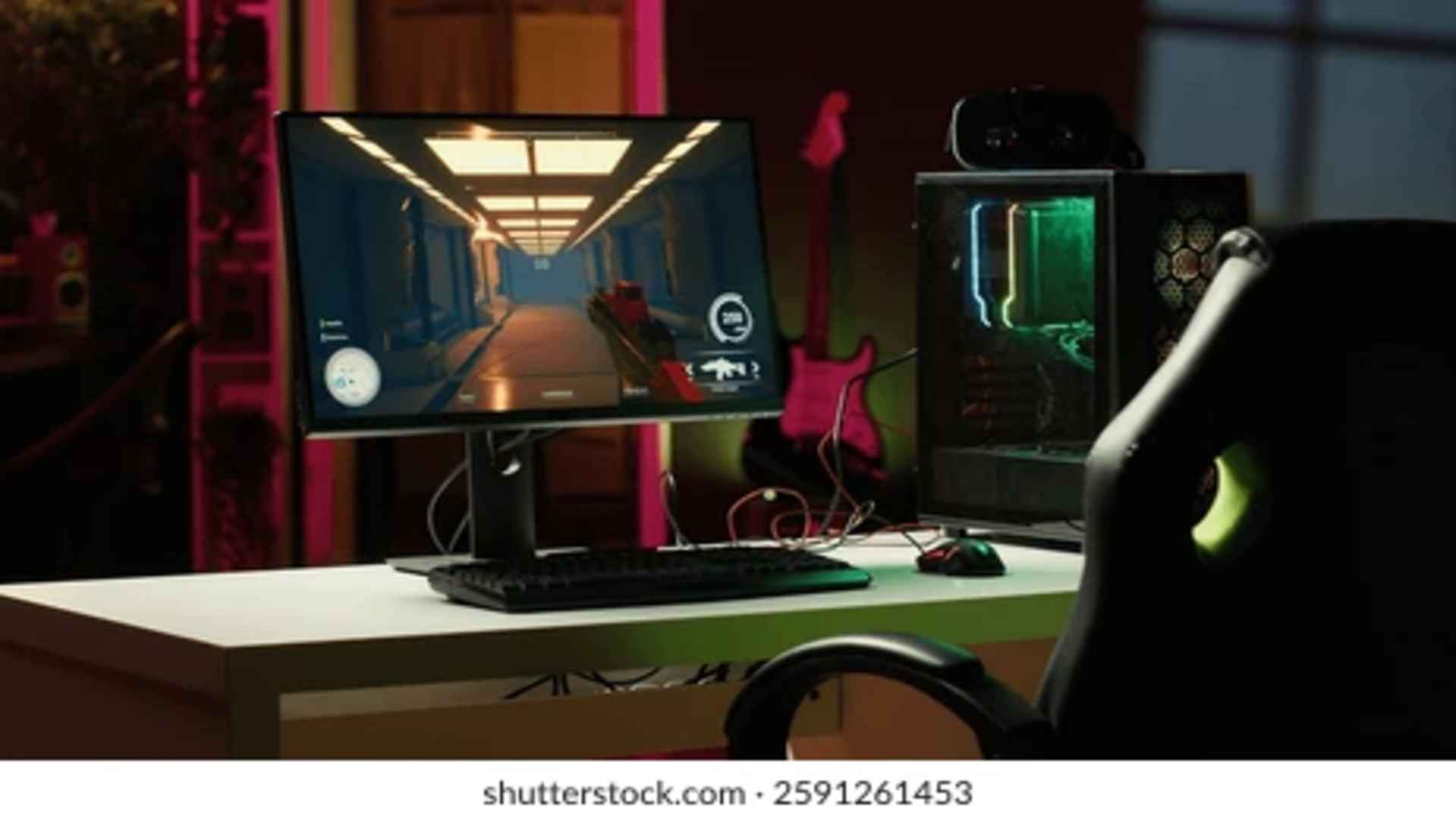
Late game stalemates in competitive gaming test a player's mental endurance as much as their mechanical execution. When both teams reach full item builds, a single misstep can result in an immediate defeat due to extended respawn timers. Understanding the psychological factors at play allows players to maintain composure when the pressure reaches its absolute peak.
The Impact of High Stakes on Decision Making
As matches extend beyond the twenty-minute mark, tension rises because the margin for error disappears. Players often experience heightened anxiety, which can lead to overthinking or panicked mechanical execution. Recognizing these physiological stress responses is the first step toward maintaining emotional control under extreme pressure.
When adrenaline surges, players tend to rush plays rather than waiting for optimal opportunities. Countering this instinct requires conscious discipline and reliance on strategic routines developed through practice. Maintaining a steady breathing pattern helps stabilize focus during prolonged standoffs.
Managing Emotional Fatigue During Stalemates
Prolonged gridlocks force players into extended periods of hyper-awareness, leading to cognitive exhaustion. As fatigue sets in, reaction times slow down and critical thinking becomes compromised. Recognizing mental tiredness helps players avoid forcing risky plays out of mere impatience.
Patience during late game dances near major objectives often separates elite players from average competitors. Accepting that a stalemate requires methodical vision control rather than reckless engagement keeps the team grounded. Staying calm prevents impulsive decisions that hand the opponent an easy victory.
Communication Strategies Under High Pressure
Clear and concise communication becomes vital when navigating tense endgame scenarios. Panicked shouting or passive-aggressive commentary rapidly degrades team morale and disrupts tactical focus. Keeping callouts direct, calm, and objective ensures everyone remains aligned on defensive and offensive priorities.
Designating a single shotcaller during critical moments eliminates conflicting decisions in chaotic clashes. Encouraging teammates after small defensive wins helps preserve collective confidence despite the ongoing pressure. Positive team dynamics act as a buffer against collective anxiety.
Building Long-Term Mental Resilience
Developing composure in high-stakes moments requires deliberate practice and self-reflection over time. Analyzing replays of past late-game losses helps pinpoint specific moments where emotion overrode strategic logic. Learning from past mistakes transforms high-pressure situations into familiar, manageable scenarios.
Ultimately, mastering your mindset turns daunting late-game stalemates into opportunities to showcase true competitive maturity. Players who remain level-headed consistently capitalize on the mistakes of anxious opponents. Cultivating mental strength ensures long-term consistency across high-level competitive lobbies.